补全对话 Hi,Julia! You were not at school答案解析
科目:czzz
来源:同步题
题型:材料分析题
生活剧场——《一本习题集》
主要人物:两名学生:张英、刘晓
主要情节:
张英:我们参加市里竞赛,真是难得的机会,一定要好好准备,争取拿团体第一。
刘晓:那还用说!
张英:我听说这次竞赛的主要参考书,是西城区进修学校出的一本习题集,我记得你那里有一本。
刘晓:没,没有。真的,你记错了,那是海淀区出的。(捂住,表情很紧张)
(几日后)
张英:(拿着一本书)我买到那本书啦,可惜只有一本书。我想你也用得着,就给你抄下来了,快拿回去看吧!
刘晓:这得用好几天时间吧!
张英:没关系,你快去复习吧!
刘晓:(面有愧色)……
(一个多月后)
张英:恭喜你,拿到一等奖!
刘晓:那你呢?
张英:没关系,下回再争取吧。真可惜,因为我,“团体第一”目标没实现!
刘晓:其实,我……
(1)你认为刘晓会说什么呢?请补全对话。
_____________________________________________________________________________
(2)你认为张英听了刘晓的解释后,会怎么做?请你作出推测。(至少写出两种情况)
_____________________________________________________________________________
(3)你认为公平合作的重要性是什么?
_____________________________________________________________________________
查看答案和解析>>
科目:czzz
来源:
题型:阅读理解
If you have a problem with speaking, you can do several things. Listen to English as much as possible. You can learn a poem(诗) or a song by heart. You can also learn more dialogues(对话). And practice speaking with your friends as much as you can.
Many people find it difficult to listen to English. The answer is to listen as much as you can. However, don’t do too much at one time. It is better to practice listening for five minutes every day. Don’t sit down and listen for an hour at a time. That’s too much! Do choose listening passages that are interesting and not too difficult. Choose(选择) tapes(磁带) on which the people speak clearly and not too fast. Take it easy, at first. Success with simple tapes at the beginning is the answer. Later on you can practice with tapes that are more difficult.
Finally, how can you learn to write well? How do you use little words like in, on, of and for? There are two answers to this. First, do some study with new words. Keep a list of verbs like look for, look after and so on. Second, read as much English as possible. There are many things that can’t be learnt. You must see them in books many times. Then you’ll be able to use them correctly(正确地) yourself. So, in order to write well, you must first learn to read much.
- 1.
This passage is about English ______ .
- A.
spelling, listening, grammar and reading
- B.
listening, speaking, reading and writing
- C.
taking exams, pronunciation, reading and writing
- D.
pronunciation, reading, listening and writing
- 2.
If you ______ , you can speak well.
- A.
learn more dialogues
- B.
learn a poem or a song by heart
- C.
practice speaking with your friends as much as you can
- D.
all above
- 3.
Which of the following is right according to the passage?
- A.
It’s better to listen to English for a long time every day.
- B.
At the beginning, you’d better choose the tapes on which the people speak quickly.
- C.
At first you should begin with simple tapes for listening.
- D.
Few people think it hard to listen to English.
- 4.
Which of the following ways can help you to improve(提高) your written English?
- A.
Buy books of writing practice.
- B.
Read as much as possible.
- C.
Do some study with new words.
- D.
Both B and C.
- 5.
Which of the following is not right according to the passage?
- A.
Many people find it difficult to listen to English.
- B.
Sit down and listen for an hour at a time.
- C.
Learn a poem or a song by heart can improve your speaking.
- D.
To improve speaking, you can practice speaking with your friends as much as you can.
查看答案和解析>>
科目:czzz
来源:
题型:阅读理解
Close contacts between Japan and the rest of the world were created in the twentieth century. In the last forty years, business contacts between Japan and the West have become very important. Many foreign companies now have offices in Japan and Japanese businessmen do business around the world. Differences between Japanese and Western ways of doing business, however, often bewilder foreign businessmen and make doing business in Japan difficult for foreigners.
The American businessman, for example, wants to start talking business immediately. He does not want to wait. The Japanese businessman, on the other hand, likes to arrive at decisions after giving them serious thought. Another thing foreign businessmen have difficulty in understanding is when a Japanese means “Yes” or “No”. This is because of cultural differences between Japanese and Western society(社会), Which make it difficult for a Japanese to say “No” directly.
In the USA, it is easy to say “No” to something one does not want to do. But in Japan, it is very difficult to say “No”. To refuse an invitation or a request(请求) with “No” is felt to be impolite. It is thought to be selfish and unfriendly. So instead of saying “No” directly, the Japanese have developed many ways to avoid(避免) saying “No”. These can help them avoid hurting other people’s feelings. However, this often makes their ways of doing business rather difficult for foreigners to understand and follow.
- 1.
What often makes foreigners feel difficult to do business in Japan?
- A.
Their different ways of doing business.
- B.
Their different lifestyles.
- C.
The fact that the Japanese never say “No”.
- D.
The fact that the Japanese are slow to take action.
- 2.
Which of the following is the closest in meaning to the underlined expression “bewilder foreign businessmen” in Paragraph One?
- A.
cause foreign businessmen to change their minds.
- B.
give a feeling of surprise to foreign businessmen.
- C.
attract foreign businessmen’s attention.
- D.
make foreign businessmen think wrongly.
- 3.
What fact does the passage lead you to believe?
- A.
American businessmen do things more slowly than Japanese ones.
- B.
American businessmen like to say “Yes” and “No”.
- C.
Americans usually say what they are thinking.
- D.
Americans do not say what they think or feel clearly.
- 4.
From the passage we can infer(推断) that __________.
- A.
Japanese businessmen are good at business
- B.
foreign businessmen should try to know Japanese ways of doing business
- C.
foreign businessmen must be more polite
- D.
you must learn from Japanese businessmen if you want to succeed
查看答案和解析>>
科目:czzz
来源:
题型:
法律是一种特殊的行为规则,它不同于道德、《中学生守则》等。但是,无论什么规则,人们都必须遵守。因为它正如歌德所说:“一个人只要宣称自己是自由的,就会同时感到他是受限制的。如果他敢于宣称自己是受限制的,他就会感到自己是自由的。”
请根据所学知识,完成下列任务:
(1)请你补全下表所缺内容(6分)
| 项目 | 道德 | 《中学生守则》 | 法律 |
| 如何产生 | 约定俗成,自然形成 | 国家教委颁布 | ① |
| 约束对象 | 适用范围很广,但不同阶级有不同的道德观念,并非某种道德为全体人民所遵奉 | 全国所有在校的中学生 | ② |
| 靠什么发挥作用 | 信念、习俗和社会舆论 | 学校、老师的教育以及自我的约束 | ③ |
(2)歌德的名言包含着什么道理?(5分)
查看答案和解析>>
科目:czzz
来源:
题型:
—Most of the students went to the party yesterday. It is a pity you were absent.
—I wish I
. But I was terribly busy.
查看答案和解析>>
科目:czzz
来源:2011-2012学年安徽省淮北市五校九年级联考五(模拟一)政治试卷(解析版)
题型:综合题
“小悦悦”事件以后,全国各地纷纷开展“拒绝冷漠,传递爱心”活动。以下是几个活动片段:
在三月的淮北,赵新和父母感受到了志愿者带给他们的温馨。他们看到来自各单位的志愿者,用真诚和微笑从事各种服务,受到行人的称赞甚为感动。当赵新和父母发现有些人在相山公园内乱扔空水瓶、纸屑、餐盒等杂物,甚至有人不顾他人占用整张长凳睡觉,引起众多游人不满时,心中有说不出的难受。
(1)运用所学知识说明赵新一家“甚为感动”和“说不出的难受”说明了什么?(4分)
看到这些不文明现象,赵新同学要打电话给有关部门提出一些解决问题的建议,可他母亲说这些事与他无关,不准他打电话。
(2)你认为赵新同学可以运用学过的哪些知识来说服母亲?(至少四个角度。6分)
(3)送人玫瑰,手留余香。请补全下面的小诗,用你的文明行动传递玫瑰。(2分)
一朵玫瑰的传递 一座城市的敬意
玫瑰行动 和你在一起,发现出行的文明
也许你是红灯前止步的行人 也许你是让出自己座位而一直站到终点的乘客
也许你是
因为这些,你会得到玫瑰 把它传递下去
让文明芬芳我们的城市
查看答案和解析>>
科目:czzz
来源:
题型:
法律是一种特殊的行为规则,它不同于道德、《中学生守则》等。但是,无论什么规则,人们都必须遵守。因为它正如歌德所说:“一个人只要宣称自己是自由的,就会同时感到他是受限制的。如果他敢于宣称自己是受限制的,他就会感到自己是自由的。”
请根据所学知识,完成下列任务:
(1)请你补全下表所缺内容(6分)
项目
| 道德
| 《中学生守则》
| 法律
|
如何产生
| 约定俗成,自然形成
| 国家教委颁布
| ①
|
约束对象
| 适用范围很广,但不同阶级有不同的道德观念,并非某种道德为全体人民所遵奉
| 全国所有在校的中学生
| ②
|
靠什么发挥作用
| 信念、习俗和社会舆论
| 学校、老师的教育以及自我的约束
| ③
|
(2)歌德的名言包含着什么道理?(5分)
查看答案和解析>>
科目:czzz
来源:2012届安徽省淮北市五校九年级联考五(模拟一)政治试卷(带解析)
题型:综合题
“小悦悦”事件以后,全国各地纷纷开展“拒绝冷漠,传递爱心”活动。以下是几个活动片段:
在三月的淮北,赵新和父母感受到了志愿者带给他们的温馨。他们看到来自各单位的志愿者,用真诚和微笑从事各种服务,受到行人的称赞甚为感动。当赵新和父母发现有些人在相山公园内乱扔空水瓶、纸屑、餐盒等杂物,甚至有人不顾他人占用整张长凳睡觉,引起众多游人不满时,心中有说不出的难受。
(1)运用所学知识说明赵新一家“甚为感动”和“说不出的难受”说明了什么?(4分)
看到这些不文明现象,赵新同学要打电话给有关部门提出一些解决问题的建议,可他母亲说这些事与他无关,不准他打电话。
(2)你认为赵新同学可以运用学过的哪些知识来说服母亲?(至少四个角度。6分)
(3)送人玫瑰,手留余香。请补全下面的小诗,用你的文明行动传递玫瑰。(2分)
一朵玫瑰的传递 一座城市的敬意
玫瑰行动 和你在一起,发现出行的文明
也许你是红灯前止步的行人 也许你是让出自己座位而一直站到终点的乘客
也许你是
因为这些,你会得到玫瑰 把它传递下去
让文明芬芳我们的城市
查看答案和解析>>
科目:czzz
来源:2011-2012学年四川省绵阳地区七年级下学期定时作业(二)政治试卷(带解析)
题型:综合题
法律是一种特殊的行为规则,它不同于道德、《中学生守则》等。但是,无论什么规则,人们都必须遵守。因为它正如歌德所说:“一个人只要宣称自己是自由的,就会同时感到他是受限制的。如果他敢于宣称自己是受限制的,他就会感到自己是自由的。”
请根据所学知识,完成下列任务:
(1)请你补全下表所缺内容(6分)
项目
| 道德
| 《中学生守则》
| 法律
|
如何产生
| 约定俗成,自然形成
| 国家教委颁布
| ①
|
约束对象
| 适用范围很广,但不同阶级有不同的道德观念,并非某种道德为全体人民所遵奉
| 全国所有在校的中学生
| ②
|
靠什么发挥作用
| 信念、习俗和社会舆论
| 学校、老师的教育以及自我的约束
| ③
|
(2)歌德的名言包含着什么道理?(5分)
查看答案和解析>>
科目:czzz
来源:2014届四川省绵阳地区七年级下学期定时作业(二)政治试卷(解析版)
题型:综合题
法律是一种特殊的行为规则,它不同于道德、《中学生守则》等。但是,无论什么规则,人们都必须遵守。因为它正如歌德所说:“一个人只要宣称自己是自由的,就会同时感到他是受限制的。如果他敢于宣称自己是受限制的,他就会感到自己是自由的。”
请根据所学知识,完成下列任务:
(1)请你补全下表所缺内容(6分)
|
项目
|
道德
|
《中学生守则》
|
法律
|
|
如何产生
|
约定俗成,自然形成
|
国家教委颁布
|
①
|
|
约束对象
|
适用范围很广,但不同阶级有不同的道德观念,并非某种道德为全体人民所遵奉
|
全国所有在校的中学生
|
②
|
|
靠什么发挥作用
|
信念、习俗和社会舆论
|
学校、老师的教育以及自我的约束
|
③
|
(2)歌德的名言包含着什么道理?(5分)
查看答案和解析>>
科目:czzz
来源:
题型:
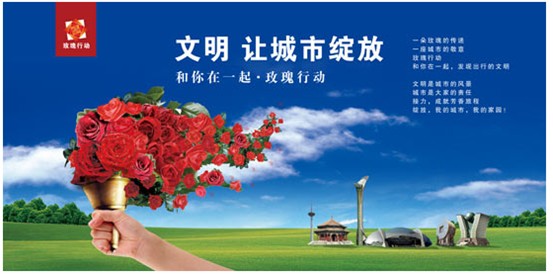
材料:玫瑰是沈阳的市花,代表着文明与责任。2010年4月27日,沈阳市发起了传递文明的“玫瑰行动”,10万支玫瑰在100多万文明出行的市民手中传递,这是一项引导城市文明、激发城市责任感的活动。
(1)沈阳市开展的“玫瑰行动”有利于提高市民哪一方面素质?
(2)补全下面的小诗,用你的文明出行传递玫瑰。
一朵玫瑰的传递
一座城市的敬意
玫瑰行动
和你在一起,发现出行的文明
也许你是红灯前止步的行人
也许你是让出自己座位而一直站到终点的乘客
也许你是
因为这些,你会得到玫瑰
把它传递下去
让文明芬芳我们的城市
(3)2010年沈阳市启动了“迎全运文明沈阳行动”。让文明成为城市的风景,城市文明是我们大家的责任。在这一活动中,我们中学生应该以怎样的文明形象展示新沈阳、迎接全运会?(可以从使用文明用语、做出文明承诺、争做文明志愿者、创建文明环境等方面任选其一具体说明)
查看答案和解析>>
科目:czzz
来源:同步题
题型:材料分析题
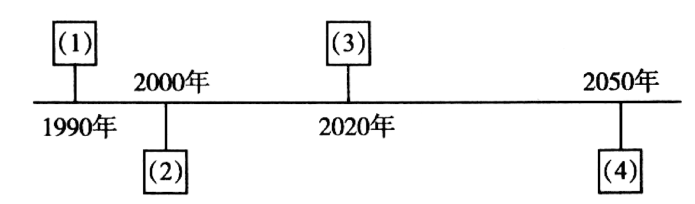
下图是我国经济社会发展阶段图示,请补全空缺的内容。
(1)____________________________________________________________________
(2)____________________________________________________________________
(3)____________________________________________________________________
(4)____________________________________________________________________
查看答案和解析>>
科目:czzz
来源:辽宁省沈阳市2010年中等学校招生统一考试政治试卷
题型:045
材料:玫瑰是沈阳的市花,代表着文明与责任。2010年4月27日,沈阳市发起了传递文明的“玫瑰行动”,10万支玫瑰在100多万文明出行的市民手中传递,这是一项引导城市文明、激发城市责任感的活动。源:Z。xx。k。Com]
(1)沈阳市开展的“玫瑰行动”有利于提高市民哪一方面素质?
(2)补全下面的小诗,用你的文明出行传递玫瑰。
一朵玫瑰的传递
一座城市的敬意
玫瑰行动
和你在一起,发现出行的文明
也许你是红灯前止步的行人
也许你是让出自己座位而一直站到终点的乘客
也许你是________
因为这些,你会得到玫瑰
把它传递下去
让文明芬芳我们的城市
(3)2010年沈阳市启动了“迎全运文明沈阳行动”。让文明成为城市的风景,城市文明是我们大家的责任。在这一活动中,我们中学生应该以怎样的文明形象展示新沈阳、迎接全运会?(可以从使用文明用语、做出文明承诺、争做文明志愿者、创建文明环境等方面任选其一具体说明)
查看答案和解析>>
科目:czzz
来源:
题型:解答题
“小悦悦”事件以后,全国各地纷纷开展“拒绝冷漠,传递爱心”活动。以下是几个活动片段:
在三月的淮北,赵新和父母感受到了志愿者带给他们的温馨。他们看到来自各单位的志愿者,用真诚和微笑从事各种服务,受到行人的称赞甚为感动。当赵新和父母发现有些人在相山公园内乱扔空水瓶、纸屑、餐盒等杂物,甚至有人不顾他人占用整张长凳睡觉,引起众多游人不满时,心中有说不出的难受。
(1)运用所学知识说明赵新一家“甚为感动”和“说不出的难受”说明了什么?
看到这些不文明现象,赵新同学要打电话给有关部门提出一些解决问题的建议,可他母亲说这些事与他无关,不准他打电话。
(2)你认为赵新同学可以运用学过的哪些知识来说服母亲?(至少四个角度。)
(3)送人玫瑰,手留余香。请补全下面的小诗,用你的文明行动传递玫瑰。
一朵玫瑰的传递一座城市的敬意
玫瑰行动和你在一起,发现出行的文明
也许你是红灯前止步的行人也许你是让出自己座位而一直站到终点的乘客
也许你是____
因为这些,你会得到玫瑰把它传递下去
让文明芬芳我们的城市
查看答案和解析>>
科目:czzz
来源:
题型:阅读理解
某校几年级学生在“时事与教材”学习活动中收集到了有关“创新与民生”方面的一些材料,他们准备以手抄报的形式对其进行宣传报道,邀请你也参与其中。
材料一 据《攀枝花日报》报道:攀枝花为实现从“百里钢城”到“钒钛之都”的转变,大力发展钒钛产业。经过不懈努力,攀枝花目前已掌握了氮化钒产业化技术等一批世界领先、具有自主知识产权的核心技术,实现了从钛原料到铁金属的突破。现攀枝花已成为世界第二大的钒产品生产基地、中国最大的含钒钛钢生产基地。
(1)为加强“钒钛之都”建设的宣传工作,本报设计了一期专版,已安排好两个版块(如图所示),请按照图中提示补全标题和其余两个版块。(不能抄写本大题中的原句。)
| 标题 |
| 钒钛之都发展历程 | 版块一 | 展望美好未来 |
| 版块二 |
标题:
版块一:
版块二:
材料二 2009年1月9日,温家宝在中共中央、国务院举行的国家科学技术奖励大会上指出:要把增强自主创新能力,建设创新型国家,真正摆在国家发展战略的核心位置,要着力突破制约经济发展的关键技术。
(2)请你在本报“科技时空”栏目中告知广大读者:材料二主要说明了我国必须实施什么战略?我国为什么要实施这一战略?
材料三 “坚定信心保增长,凝聚人心促和谐”是今年两会的主题,“重民生,促和谐”是今年两会最重要的话题,“关注民生、倾听民声、反映民心”是公众对今年的最大期待。
(3)请你为本报写一篇编者按(即评论):阐明“重民生,促和谐”的原因,你认为这会涉及九年级思想品德教材中的哪些知识点?
查看答案和解析>>
科目:czzz
来源:期末题
题型:简答题
党的十六大确定了我国__________________的奋斗目标,绘制了21世纪头20年我国现代化建设的宏伟蓝图。党的十七大在十六大确立的这一目标的基础上对我国发展又提出了新的更高要求。
(1)请补全材料中空白内容。
________________________________________________________________________________ (2)写出这一目标的主要内容。
________________________________________________________________________________
查看答案和解析>>
科目:czzz
来源:辽宁省中考真题
题型:材料分析题
材料:玫瑰是沈阳的市花,代表着文明与责任。2010年4月27日,沈阳市发起了传递文明的“玫瑰行动”, 10万支玫瑰在100多万文明出行的市民手中传递,这是一项引导城市文明、激发城市责任感的活动。
(1)沈阳市开展的“玫瑰行动”有利于提高市民哪一方面素质?
________________________________________________________________________________________________________________________________________________________________________________________
(2)补全下面的小诗,用你的文明出行传递玫瑰。
一朵玫瑰的传递
一座城市的敬意
玫瑰行动
和你在一起,发现出行的文明
也许你是红灯前止步的行人
也许你是让出自己座位而一直站到终点的乘客
也许你是_____________________________________
因为这些,你会得到玫瑰
把它传递下去
让文明芬芳我们的城市
(3)2010年沈阳市启动了“迎全运文明沈阳行动”。让文明成为城市的风景,城市文明是我们大家的责任。在这一活动中,我们中学生应该以怎样的文明形象展示新沈阳、迎接全运会?(可以从使用文明用语、做出文明承诺、争做文明志愿者、创建文明环境等方面任选其一具体说明)
________________________________________________________________________________________________________________________________________________________________________________________
查看答案和解析>>
科目:czzz
来源:
题型:阅读理解
People in different countries have different ways of doing things. Something that is polite in one country may be quite impolite in another. In Britain, you mustn’t lift (举起) your bowl to your mouth when you are having some soup. But it’s different in China. And in Japan you even needn’t worry about making a noise when you have it. It shows that you are enjoying it. Making a noise is considered as (被认为) bad manners (举止,礼仪) in Britain. If you are a visitor in Mongolia, what manners do they wish you to have? They wish you to give a loud “burp” (打嗝) after you finish eating. Burping shows that you like the food.
In Britain, you should try not to put your hands on the table when you’re having a meal. In Mexico, however, they hope you keep the hands on the table during a meal. But Arabians consider you must be very careful with your hands. You mustn’t eat with your left hand. Arabians consider it very bad manners eating with left hands. So, what should you do if you are on a visit in another country? Well, you can ask the local people to help you or just watch carefully and follow them if you are on a visit in another country.
- 1.
It is impolite to lift your bowl to your mouth when you are having some soup in _________.
- A.
Britain
- B.
China
- C.
Japan
- D.
Mexico
- 2.
In Mongolia, burping after eating shows that _________.
- A.
you are rude
- B.
you are hungry
- C.
you dislike the food
- D.
you like the food
- 3.
What’s the main idea of the passage?
- A.
People in different countries have different ways of doing things.
- B.
British people are very polite.
- C.
You mustn’t eat with your left hand.
- D.
Don’t worry about making a noise when you have soup.
查看答案和解析>>
科目:czzz
来源:
题型:完形填空
When are you an adult (成年人)?
When do you think you are an adult ? Maybe different1 have different ideas.
Now let’s see what some American teenagers(青少年)say .
Sam: In2idea ,you are an adult at the 3of 18. That’s when you can vote(投票)。You can help to4who rules(统治)the whole country .That’s also a grown-up does! My grandfather couldn’ t vote5he was 21.They changed(改变) it to 18 in 1971.
Jenny:I don’t6it’s hard to say . I can drive a car at 16, can’t I ?When you have a driver’s licence , you can7it to people to tell them your age for all kinds of things . 8sixteen must be the age when you change from a9person to an adult.Because you can tell others you are not a10any more .
Suzie : Well , I think there is 11wrong with American laws for when young people can12things . I can vote at 18 and drive at 16. So you would think 18 is a grown-up,1316 isn’t .But then I can’t drink wine(酒)until I’m 21 ! If I’m14an adult at 18, how can people stop me from15a cup of beer in a bar ?
- 1.
- A.
teenagers
- B.
adults
- C.
drivers
- D.
grandfather
- 2.
- A.
his
- B.
my
- C.
her
- D.
your
- 3.
- A.
age
- B.
end
- C.
front
- D.
number
- 4.
- A.
make
- B.
keep
- C.
choose(选择)
- D.
teach
- 5.
- A.
after
- B.
until
- C.
when
- D.
if
- 6.
- A.
hope
- B.
want
- C.
like
- D.
think
- 7.
- A.
show
- B.
send
- C.
ask
- D.
pass
- 8.
- A.
But
- B.
And
- C.
So
- D.
Or
- 9.
- A.
old
- B.
young
- C.
little
- D.
tall
- 10.
- A.
baby
- B.
group-up
- C.
boy
- D.
kid
- 11.
- A.
anything
- B.
everything
- C.
something
- D.
nothing
- 12.
- A.
do
- B.
buy
- C.
like
- D.
borrow
- 13.
- A.
,as if
- B.
even though
- C.
ever since
- D.
above all
- 14.
- A.
already
- B.
still
- C.
also
- D.
yet
- 15.
- A.
selling
- B.
making
- C.
drinking
- D.
giving
查看答案和解析>>
科目:czzz
来源:
题型:完形填空
Everyone likes to receive gifts. In many countries people give gifts for special occasions. For example, in the United States people give1for birthdays, weddings, and when someone graduates from high school or college. In Japan many people give gifts at special times in the summer and2. And in some countries people give a person a gift when they visit the person’s home. But how do you choose the3gift?
It's not always easy to find a great gift for everyone, especially when you are buying a gift for someone from another4. In many Western countries watches and5are nice gifts. However, Chinese people do not like clocks as gifts. The Chinese words that mean to give a clock are similar to the words for to die. So many Chinese people think that a clock as a gift is bad6.
Many people around the world think that flowers are always a safe gift. But even flowers can be7! In Russia a gift of an odd number of flowers (1,3,5, etc. ) is okay. But a gift of an even number of flowers (2,4,6, etc. ) is not okay. It's only for funerals! People in China do not like gifts of white flowers, because white is the color for funerals. And don't8red roses to a stranger from Germany. They may think you love them! Red roses mean love in several cultures!
- 1.
- A.
money
- B.
gifts
- C.
food
- 2.
- A.
person
- B.
place
- C.
winter
- 3.
- A.
right
- B.
wrong
- C.
shiny
- 4.
- A.
country
- B.
city
- C.
village
- 5.
- A.
flowers
- B.
books
- C.
clocks
- 6.
- A.
luck
- B.
lucky
- C.
unlucky
- 7.
- A.
a safe gift
- B.
a problem
- C.
a good tdea
- 8.
- A.
receive
- B.
accept
- C.
give
查看答案和解析>>