
题目列表(包括答案和解析)
一How long have you here?
--Since 1997.
A. arrived B. moved C. come D. lived
第一节 阅读短文,判断下列句子是否符合短文内容。符合的写“A”,不符合的写“B”。(共5小题,每小题2分)
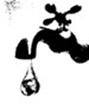 Water is the most important in our lives. Not Many people understand this but it’s quite true. The human body can go without food for a long time. We’ve got many examples for this. Yet two or three days without water can usually make people die. Man can’t live without water.
Many people don’t understand how much water the human bod y needs to work well, and many people, especially young people, do not drink enough water, even in very hot weather. About two thirds of our body is water. When we do sports, some of the water will get away from our body. If we don’t drink some water, our body won’t have enough water. And if we don’t have enough water, we’ll feel tired and many of us will get ill. So you know how important water is to us.
But at present we face water crisis(危机) . Water is becoming less and less. So, we should protect water resources(资源) and try our best to save water in our daily life. Here are some tips for saving water:
1. Turn off the tap(水龙头) in lime.
2. Take shorter showers.
3. Don’t let water run while washing your face and reuse the water after we finish washing.
4. Encourage your friends and neighbors to join in the action of saving water.
41. Nobody can live without water.
42. About one third of our body is water
43. If one doesn't have enough water, he’ll feel tired and may get ill.
44. We’d better take longer showers and let water run while washing.
45. It’s our duty to protect water resources and save water.
听力
(一)听句子,选择适当的应答语。每个句子读两遍。
1.A.I’m Chinese. B.I’m not well. C.I’m a foreigner.
2.A.She walks much. B.She does every day. C.She walks to school.
3.A.What a pity! B.Help yourself. C.Watch out.
4.A.Not at all. B.Thank you. C.No, not so good.
5.A.Let’s go. B.I’m ready. C.Yes, I have.
(二)听对话,选择相应的图画。每段对话读两遍。
6.

7.

8.

9.

10.

(三)听五段对话和五个问题,选择正确答案。每段对话及问题读两遍。你将有15秒钟的时间阅读下面5个小题。
11.A.Warm. B.Cold. C.Hot.
12.A.Yes, he is. B.No, he isn’t. C.We don’t know.
13.A.In 2005. B.Six years ago. C.In 2000.
14.A.He likes loud music.
B.The house here is too old.
C.He wants to live in a quiet place.
15.A.Fish. B.Chicken. C.Beef.
(四)听一段长对话,选择正确答案。对话读两遍。你将有15秒钟的时间阅读下面5个小题。
16.What are the speakers mainly talking about?
A.Life. B.Camping. C.Plans.
17.What will the woman do in the city?
A.Work at a store. B.Attend a school. C.Have a picnic.
18.Who will the woman stay with?
A.The man. B.Her family. C.The man’s brother.
19.What do they do in the morning when they camp?
A.Go swimming. B.Play basketball. C.Tell stories.
20.What can we learn from the conversation?
A.The woman has worked for four summers.
B.John is the man’s brother.
C.Summer vacation is coming.
(五)听短文,回答下面五个问题,选择正确答案。短文读两遍。你将有15秒钟的时间阅读下面5个小题。
21.When did this happen?
A.One afternoon. B.One night. C.One morning.
22.How many persons were there in the room when someone was knocking at the door?
A.One person. B.Two persons. C.Three persons.
23.What did the young man wear?
A.A white shirt. B.A pair of glasses. C.Long trousers.
24.Who was the young man?
A.He was a friend of the writer’s.
B.He was a friend of the writer’s brother’s.
C.He was a strange man to them.
25.What was probably the end of the story?
A.The young man was taken away by the police.
B.The young man became their friend.
C.The young man ran away.
During my childhood in the 1960s, my parents were always busy with work and meetings. They left early in the morning and came back late in the evening. My sisters, my brother and I were left alone with Grandma. We saw our parents only on Sundays and during the few holidays. The only long period (一段)of time during which the whole family could be together once a year was the Spring Festival. We missed our parents badly, but didn’t say so because we had been told that hard work was everyone’s duty and that we could not have our own small family without a big family. Later I was a hard working student and, during summer or winter holidays, often stayed alone at university to have more time to study. I was always encouraged by my parents, for whom the holiday was less important than “work” and “study”. Holidays were a waste of time and I felt as if I had done something wrong if I took a holiday or did nothing during a holiday.
I spent the most difficult period of my life abroad. But when I joined this company, my boss didn’t seem to think it right for me to work like that. When I called him at home after office hours for business purposes (目的), he politely told me that he preferred talking about work with me in the office.
When the holiday season came near, he asked me to plan my leave beforehand (提前). He talked with me about his holiday and also asked about mine. For him, leave was a right. Giving up a holiday for the company is encouraged in China, but is foolish here. I began to think about holidays.
Today my parents are retired (退休)and stay home with a lot of time for their children. But we are all grown- up and live far away. We miss each other, but we cannot afford to see each other very much and they often feel sorry for the fact that they were too busy to be able to take care of us when we were young.
Nowadays, Chinese take long weekends and have paid holidays. But do they use their holidays to enjoy family life? I hope so because my experience in China and Europe has helped me understand that work is not my whole life and that a family is also very important. I do not want to feel sorry in the future as my parents do and I certainly spend as much time with my son as possible. There is nothing wrong with either working hard or taking holidays, but we shouldn’t have one instead of the other. It is important to keep a balance (平衡)between work and play.
1. What do the underlined words “paid leave” mean?
A. You have to pay when you take a holiday.
B. Someone will pay for your holiday.
C. You are still paid when you have your holiday.
D. You can’t leave until you pay for the holiday.
2. What is the main idea of this passage?
A. Working is the only part of the life.
B. Traveling is the best way to spend your holiday.
C. Enjoying holidays is as important as working
D. Sharing happiness with your family is more important
3. The writer talks about her own experience because she hopes that the Chinese will _______. A. plan their holiday beforehand B. get used to long holidays and enjoy themselves C. give up a holiday for their work D. bring business home after work hours
听力选择
(一)听句子,选择适当的应答语。每个句子读两遍。
1.
A.I'm Chinese.
B.I'm not well.
C.I'm a foreigner.
2.
A.She walks much.
B.She does every day.
C.She walks to school.
3.
A.What a pity!
B.Help yourself.
C.Watch out.
4.
A.Not at all.
B.Thank you.
C.No, not so good.
5.
A.Let's go.
B.I'm ready.
C.Yes, I have.
(二)听对话,选择相应的图画。每段对话读两遍。
6.
A.
B.
C.
7.
A.
B.
C.
8.
A.
B.
C.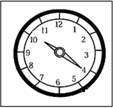
9.
A.
B.
C.
10.
A.
B.
C.
(三)听五段对话和五个问题,选择正确答案。每段对话及问题读两遍。你将有15秒钟的时间阅读下面5个小题。
11.
A.Warm.
B.Cold.
C.Hot.
12.
A.Yes, he is.
B.No, he isn't.
C.We don't know.
13.
A.In 2008.
B.Six years ago.
C.In 2000.
14.
A.He likes loud music.
B.The house here is too old.
C.He wants to live in a quiet place.
15.
A.Fish.
B.Chicken.
C.Beef.
(四)听一段长对话,选择正确答案。对话读两遍。你将有15秒钟的时间阅读下面5个小题。
16.What are the speakers mainly talking about?
A.Life.
B.Camping.
C.Plans.
17.What will the woman do in the city?
A.Work at a store.
B.Attend a school.
C.Have a picnic.
18.Who will the woman stay with?
A.The man.
B.Her family.
C.The man's brother.
19.What do they do in the morning when they camp?
A.Go swimming.
B.Play basketball.
C.Tell stories.
20.What can we learn from the conversation?
A.The woman has worked for four summers.
B.John is the man's brother.
C.Summer vacation is coming.
(五)听短文,回答下面五个问题,选择正确答案。短文读两遍。你将有15秒钟的时间阅读下面5个小题。
21.When did this happen?
A.One afternoon.
B.One night.
C.One morning.
22.How many persons were there in the room when someone was knocking at the door?
A.One person.
B.Two persons.
C.Three persons.
23.What did the young man wear?
A.A white shirt.
B.A pair of glasses.
C.Long trousers.
24.Who was the young man?
A.He was a friend of the writer's.
B.He was a friend of the writer's brother's.
C.He was a strange man to them.
25.What was probably the end of the story?
A.The young man was taken away by the police.
B.The young man became their friend.
C.The young man ran away.
湖北省互联网违法和不良信息举报平台 | 网上有害信息举报专区 | 电信诈骗举报专区 | 涉历史虚无主义有害信息举报专区 | 涉企侵权举报专区
违法和不良信息举报电话:027-86699610 举报邮箱:58377363@163.com