1£®"I just gave birth to 5 babies last weekend£®"Isn't that exciting£¿Oh£¬you don't believe me£¿"Okay then£¬I stole some money from a bank on Saturday night£®"Now do you believe me£¿Actually£¬I hope you don't£®April 1st£¬or April Fool's Day is the day when we play jokes on people£®Do you have it in your country£¿
April Fool's Day started in the sixteenth century in Europe£®Before that time£¬New Year's Day was celebrated on April 1st£®Then a new calendar called the Gregorian calendar was introduced£®January 1st became the first day of the year£¬but many people did not know about it£®So those who continued to celebrate New Year's Day on April 1st were teased£®They were called fools£®
Nowadays wc play jokes on people on April 1st£®For example£¬someone might put salt in the sugar bottle so another person could put it in his coffee"by accident"£®Or someone might change the time on another person's alarm clock so that person would unknowingly wake up earlier or later than planned£®Or maybe a person would tell a lie to make someone else shocked£®
After we play the trick£¬we say"April Fool"£®Then the poor person realizes he was fooled£®It is generally done in the spirit of fun and doesn't cause any real harm £¨É˺¦£©to anyone£®Do you have any great jokes to play on anyone today£¿Try it out£®Just£®don't forget to say"April Fool"when the other person begins looking a little confused£®

66£®Before the sixteenth century£®New Year's Day wasA£®
A£®April 1st         
B£®January 1st         
C£®October 1st
67£®Which of the following situations doesn't make you"April Fool"£¿B£®
A£®Someone might put salt in the sugar bottle£¬then you could put it in your coffee"by accident"£®
B£®A man might take your bag by mistake£¬then he could say sorry to you£®
C£®Someone might change the time on your alarm clock£¬then you would unknowingly wake up earlier or later than planned£®
68£®Sometimes people lie to shock someone onC£®
A£®New Year's day         
B£®Christmas Day£®
C£®April Fool's Day
69£®In the 2nd paragraph£¬the close meaning of the underlined word"teased"isCin English£®
A£®hit         
B£®criticized         
C£®laughed at
70£®What should be the right attitude£¨Ì¬¶È£©towards"April Fool"£¿A£®
A£®It is generally done in the spirit of fun and doesn't cause any real harm to anyone£®
B£®It is done for the real fools£®
C£®We needn't say"April Fool"when we play jokes on people on April 1st£®

·ÖÎö ±¾ÎÄÖ÷ÒªÏòÎÒÃǽéÉÜÁËÓÞÈ˽ڣº°üÀ¨ËüµÄʱ¼ä£¬ÓÉÀ´£¬ÀúÊ·£¬¼°¾ßÌåÊôÓÚÓÞÈ˽ڵÄÀý×ӵȣ®

½â´ð 66£®A Ï¸½ÚÀí½âÌ⣺¸ù¾ÝµÚ¶þ¶ÎBefore that time£¬New Year's Day was celebrated on April 1stÔÚÄǸöʱºò֮ǰ£¬Ôªµ©Çì×£ÔÚ4ÔÂ1ÈÕ£®that timeÖ¸µÄÊÇthe sixteenth century£¬¹ÊÑ¡A£®
67£®B Ï¸½ÚÀí½âÌ⣺¸ù¾ÝµÚÈý¶ÎµÄÁоٵÄÀý×Ó£¬ACÁ½ÏîÊôÓÚÓÞÈ˽ڵÄÇé¾°£¬BÏî²»·ûºÏ£¬¹ÊÑ¡B£®
68£®C Ï¸½ÚÀí½âÌ⣺¸ù¾ÝµÚÈý¶ÎǰÎÄNowadays we play jokes on people on April 1stÏÖÔÚÎÒÃÇÔÚ4ÔÂ1ÈÕ¿ªÈËÃǵÄÍæÐ¦£»ºóÎÄmaybe a person would tell a lie to make someone else shocked£®Ò²ÐíÒ»¸öÈË»á˵»ÑÈñðÈËÕ𾪣®¹ÊÑ¡C£®
69£®C Ï¸½ÚÀí½âÌ⣺¸ù¾ÝµÚ¶þ¶ÎǰÎÄJanuary 1st became the first day of the year£¬but many people did not know about it1ÔÂ1ÈÕ³ÉÁËÒ»ÄêÖеĵÚÒ»Ì죬µ«ºÜ¶àÈ˲»ÖªµÀ£»ºóÎÄThey were called foolsËûÃDZ»³ÆÎªÉµ¹Ï£®ÍƲâÒâ˼ÊÇ£º³°Ð¦£¬ÓÞŪ£¬¹ÊÑ¡C£®
70£®A ̬¶ÈÀí½âÌ⣺¸ù¾Ý×îºóÒ»¶ÎIt is generally done in the spirit of fun and doesn't cause any real harm £¨É˺¦£©to anyoneËüͨ³£ÊÇÔÚ¾«ÉñÉϵÄÀÖȤ£¬²»»áÔì³ÉÈκÎʵ¼Ê¶ÔÈ˵ÄÉ˺¦£®¹ÊÑ¡A£®

µãÆÀ Ê×ÏȶÔÔ­ÎIJÄÁÏѸËÙä¯ÀÀ£¬ÕÆÎÕÈ«ÎĵÄÖ÷Ö¼´óÒ⣮ÒòΪÔĶÁÀí½âÌâÒ»°ãûÓбêÌ⣬ËùÒÔ£¬ËÙ¶ÁÈ«ÎÄ£¬×¥×¡ÖÐÐÄÖ÷Ö¼ºÜÓбØÒª£¬ÔÚËÙ¶ÁµÄ¹ý³ÌÖУ¬Ó¦¾¡¿ÉÄÜ¶àµØ²¶»ñÐÅÏ¢²ÄÁÏ£® Æä´Î£¬Ï¸¶ÁÌâ²Ä£¬¸÷¸ö»÷ÆÆ£®ÕÆÎÕÈ«ÎĵĴóÒâÖ®ºó£¬Ï¸Ï¸ÔĶÁÿƪ²ÄÁϺóµÄÎÊÌ⣬ŪÇåÿÌâÒªÇóºó£¬´ø×ÅÎÊÌ⣬Ôٻص½Ô­ÎÄÖÐȥѰÕÒ¡¢²¶»ñÓйØÐÅÏ¢£®

Á·Ï°²áϵÁдð°¸
Ïà¹ØÏ°Ìâ

¿ÆÄ¿£º³õÖÐÓ¢Óï À´Ô´£º ÌâÐÍ£ºÌî¿ÕÌâ

15£®he    five    true    colour    discuss
51£®To tell you thetruth£¬I'm afraid to see him£®
52£®My bag is full£®Put your books inhis£®
53£®The students are having a hotaisscussion about their future plans£®
54£®On herfifth day in Guilin£¬Melissa took a boat trip along the Lijiang River£®
55£®-I hear there are many clubs in your school£®-Exactly£®Our school life is reallycolourful£®

²é¿´´ð°¸ºÍ½âÎö>>

¿ÆÄ¿£º³õÖÐÓ¢Óï À´Ô´£º ÌâÐÍ£ºÑ¡ÔñÌâ

16£®-Will you come to this dinner party£¿
-I won't come unless Jenny       £®£¨¡¡¡¡£©
A£®will be invitedB£®is invitedC£®will inviteD£®invited

²é¿´´ð°¸ºÍ½âÎö>>

¿ÆÄ¿£º³õÖÐÓ¢Óï À´Ô´£º ÌâÐÍ£ºÍêÐÎÌî¿Õ

9£®For the British£¬the home is private place in which he or she goes to hide away from the troubles of life£®It is very seldom that one would be invited to a British person's home£®It is rude to knock on a person's door if you are not invited£®If you are invited£¬don't ask to see more than the downstairs that your British host invites you into£®Never ask how much the house or any of the items in if cost£®
To the American£¬most of them want their home to be a place where they can entertain £¨¿î´ý£© and share their lives with their friends£®They may be delighted to give you a full tour of their houses£®They may also be pleased when you show your interest and pleasure in their houses£®
Both British and American people will engage in quite a bit of chat and a drink or two before the meal is served£®After the first mouthful£¬you should say how delicious the food is and ask something about it£®Remember£¬never eat with your mouth open and make very little noise while eating£®It would be nice of you to help your host in any way£®Maybe offer to pour some drinks or clear up after the meal£®
66£®British peopleC invite friends to their home£®
A£®often  B£®always  C£®seldom  D£®never
67£®If your British friend invites you to his home£¬you canD£®
A£®see anything you like               B£®ask how much his house is
C£®ask the cost of any of the items in it    D£®only see the downstairs that you are invited into
68£®When you show your interest and pleasure in American people's house£¬they may beB£®
A£®angry     B£®happy    C£®sad      D£®worried
69£®What does the underlined"engage in"mean in Chinese£¿B
A£®ÏÝÈë      B£®²ÎÓë   C£®»Ø±Ü     D£®ÏÞÖÆ
70£®What's the main idea of the passage£¿A
A£®Some manners on visiting British and American people's home£®
B£®Different table manners between British and American people£®
C£®Different ideas about the home between British and American people
D£®Different ideas about how to get along well with neighbors between British and American people£®

²é¿´´ð°¸ºÍ½âÎö>>

¿ÆÄ¿£º³õÖÐÓ¢Óï À´Ô´£º ÌâÐÍ£ºÔĶÁÀí½â
16£®You may have heard of the famous saying£¬"East or West£¬home is the best£®"
What does the word"home"mean to you£¿How do you say the word in French£¿In Chinese£¿In your language£¿Although people usually know what the word means£¬it sometimes has no exact translation£®It's not surprising£¬because the idea of home is"different from country to country£¬and from person to person£®A home is more than a roof and four walls£®It's the cooking£¬eating£¬talking£¬playing and sleeping that go on inside£®And at home you usually feel safe and relaxed£®
   Homes look different in different countries£®They also have different things inside£®For example£¬in cold northern Europe£¬there's a fire in the living room or kitchen and all the chairs face it£®In the south£¬where the sun shines a lot and it's more important to keep the heat out£¬there are small windows and cool stone floors£®
  We asked some people about their homes£®
  How often do people move house in your country£¿
"In my country many people don't stay in one place for a very long time£®They often move every ten years or so£®"
--Chery£¬Boston£¬USA£®
   What a e features £¨ÌØÕ÷£© of homes in your country£¿
"In Britain£¬even in town£¬there's always a garden£®We have separate bedrooms and living rooms£®But we don't often have balconies£¨Ñǫ̂£©£®The weather isn't warm enough!"
--Pat£¬Exeter£¬England

66£®The word"home"sometimes has no exact translation becauseC£®
A£®people can't find this word in the dictionary
B£®no one knows what it is
C£®it has different meanings in different countries
D£®people can't understand each other very well
67£®According to the passage£¬at home£¬you can do everything exceptA£®
A£®making friends                     B£®cooking and eating
C£®playing and talking                D£®sleeping and relaxing
68£®Why is it important to keep the heat out of the houses in southern Europe£¿D
A£®Because they want to breathe fresh air outside£®
B£®Because there's a fire in the living room£®
C£®Because they wear heavy clothes all day long£®
D£®Because the sun there shines a lot£®
69£®From the second paragraph£¬what kind of homes people have depends onB£®
A£®whether they are rich or not
B£®the climate£¨Æøºò£© they have
C£®how old they are
D£®whether they live in the city or countryside
70£®Which one of the sentences below is true£¿B
A£®People in Britain seldom have balconies because it's so hot outside£®
B£®Some Americans move house several times during their lifetime£®
C£®Homes look the same in different countries£®
D£®Houses in northern Europe have big windows and cool stone floors£®

²é¿´´ð°¸ºÍ½âÎö>>

¿ÆÄ¿£º³õÖÐÓ¢Óï À´Ô´£º ÌâÐÍ£ºÔĶÁÀí½â

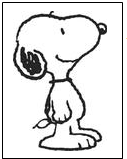
6£®Everyone knows the smart black-and-white dog that sits on top of a red doghouse with his best friend--a bird called Woodstock£®
This year Snoopy turns sixty£®
Created by the American cartoonist Charles Schulz in 1950£¬the clever dog is loved by kids and adults£®He speaks more than 20 languages and appears daily in 26£¬000 newspapers around the world£®When Snoopy first appeared£¬he was just like other pet dogs£®But two years later£¬he had begun to speak with simple words and sounds£®
By 1957 he could walk on two legs and was going to school with his master£¬Charlie Brown£¬who failed at just about everything£®
Snoopy has done lots of jobs£®He has been a bow-tie wearing lawyer£¬a tennis player and Olympic figure skater£¬a world famous grocery cashier£¬a pilot and even the first astronaut on the moon£®
However£¬Snoopy has always dreamed of being a famous writer£®The beginning of his story is always£¬"It was a dark and stormy night¡­"Unluckily for him no one has ever wanted to publish£¨³ö°æ£© the story£®
Snoopy easily falls in love but always has his heart broken£®He eats to forget£¬but it never works£®
Snoopy is an insightful£¬feel-good and sometimes sad dog£®If you think a little about his words£¬you might find them full of life lessons£®Among his most famous lines are"To live is to dance£¬to dance is to live£®"and"Yesterday I was a dog£®Today I'm a dog£®Tomorrow I'll probably still be a dog£®"

31£®How many cartoon characters are mentioned in the passageA£¿
A£®Two£®
B£®Three£®
C£®Four£®
D£®Five£®
32£®How can we know Snoopy is popular around the worldA£¿
A£®He appears daily in 26£¬000 newspapers£®
B£®He's just like a human£®
C£®He has done all kinds of jobs£®
D£®He's unlucky in life£®
33£®From the passage we can learn thatD£®
A£®Snoopy has a successful master       
B£®Snoopy is a lucky dog in love
C£®Snoopy is a success as a writer        
D£®Snoopy can teach us life lessons£®

²é¿´´ð°¸ºÍ½âÎö>>

¿ÆÄ¿£º³õÖÐÓ¢Óï À´Ô´£º ÌâÐÍ£ºÔĶÁÀí½â

13£®The panda is one of the animals most in danger£®There are about 1£¬000 pandas living in nature reserves today£®Zoos and research centres look after about 160 pandas£®Scientists are studying how they live and more baby pandas are born in the zoos£®
Pandas live in the forests and mountains of Southwest China£®They mainly live on bamboo£¬and each panda needs to eat a lot of bamboo every day£®The area of bamboo is becoming smaller for many different reasons£¬so pandas have less and less land to live on£®Pandas don't have many babies£¬and baby pandas often die£®The situation is becoming very serious£®
Our government is working hard to save pandas£®There are more than 30nature reserves to protect pandas but these are not enough£®The government has made a new plan to help pandas£®The nature reserves will be bigger and the bamboo will grow better£®Then the pandas will have enough food to eat and enough places to live in£®Pandas born in the zoos may go back to live in the nature reserves£®
Most people love pandas£®The panda is one of the best-known animals in the world£®It is the symbol for the World Wide Fund for Nature£®The WWF works to protect all animals in danger£¬so the panda has become the symbol of all animals in danger£®There is still a long way to go to save the panda£®Think of other animals in danger such as tigers£¬whales£¬turtles and elephants-we need to save the panda£¬and we need to save them£¬too£®

59£®There are aboutD pandas living in nature reserves today£®
A.30
B.160   
C.300  
D.1£¬000
60£®Paragraph 2 is mainly aboutA£®
A£®why pandas are in danger
B£®why baby pandas often die
C£®how to protect all animals
D£®how to plant more bamboo
61£®The government is tryingC to help the pandas£®
A£®to build more zoos
B£®to send more scientists
C£®to make bigger nature reserves
D£®to ask the WWF to work in China
62£®B is the symbol for the World Wide Fund for Nature£®
A£®The tiger 
B£®The panda
C£®The elephant  
D£®The whale£®

²é¿´´ð°¸ºÍ½âÎö>>

¿ÆÄ¿£º³õÖÐÓ¢Óï À´Ô´£º ÌâÐÍ£ºÔĶÁÀí½â

10£®What did Americans in the early twentieth century £¨1900-1925£©do on weekends£¿Once up on a time£¬people spent lots of time at home on weekends£®Then£¬new inventions changed the weekends£®
People used electric streetcars to travel in cities£®On weekends£¬they rode the streetcars to parks£®Young people liked roller coasters£¨¹ýɽ³µ£©£®
The first movies lasted only one minute£®Soon£¬however£¬movies got longer£®In the 1920s£¬movies theaters sold millions of tickets each week!In 1927£¬movies finally had sound£®Sometimes£¬people stayed at home instead and listened to another new invention-the radio£®
People in cities worked indoors during the weekdays£¬so they wanted to be outdoors on weekends£®Bicycling became a popular activity£®What do they do on weekends now£¿
With more time£¬money and inventions people have more choices£®They can visit huge parks and ride modern roller coasters that go higher and faster than ever before£®
They can choose from lots of movies at a multiplex £¨a building with many movie theaters£© or watch DVDs at home£®
Some people jog£¨ÂýÅÜ£©£¬bicycle£¬play at the gym£¬or play sports£®Others turn on their Tv and watch sports£®

41£®In the early twentieth century£¬Americans used to spend more timeA on weekends£®
A£®at home
B£®in the theater 
C£®outdoors
D£®in the park
42£®Which of the following are new inventions now according to the passageD£¿
A£®Radios£®
B£®Bicycles£®
C£®Movies£®
D£®DVDs£®
43£®What do you know about the first moviesB£¿
A£®They lasted longer£®
B£®They had no sound£®
C£®They didn't sell well£®
D£®Both A and C£®
44£®The modern roller coasters in huge parks goC than ever before£®
A£®faster
B£®higher
C£®faster and higher 
D£®more slowly
45£®The best title for the passage isD£®
A£®Many More Choices
B£®The New Inventions
C£®The Popular Activities
D£®The Changing Weekends£®

²é¿´´ð°¸ºÍ½âÎö>>

¿ÆÄ¿£º³õÖÐÓ¢Óï À´Ô´£º ÌâÐÍ£ºÔĶÁÀí½â

11£®Studying in groups is becoming more and more popular in class£®It has many advantages£®For example£¬we can not only save time but also encourage each other when we study in groups£®
I still remember when I was in Grade 8£¬my physics was very poor£®I had a really hard time with it£®Once in class£¬the teachers asked us to discuss it with each other£¬but I was very shy£¬I could not do it like what they told me£®My physics teacher encouraged me to face others and talk with someone else bravely£®Then I studied with some classmates together£®When I did not understand any questions£¬they could give me some advice£¬I could quickly find out the ways to deal with the problems£®After that£¬I felt very relaxed and asked my classmates a lot of questions about physics£®I did not feel stressed out at all£®At last£¬I finished my homework by myself for the first time£®How excited I was!
Because of studying in groups£¬I am not worried about physics any more£®With my classmates'help£¬I get more confidence£®It also gives me more chances to improve myself in many ways£®

¸ù¾Ý¶ÌÎÄÄÚÈÝ£¬ÅжÏÏÂÁоä×ÓµÄÕýÎó£®ÕýÈ·µÄÌî"T"£¬´íÎóµÄÌî"F"£¬²¢ÔÚ´ðÌ⿨ÉϽ«¸ÃÏîÍ¿ºÚ£®£¨¹²5СÌ⣻ÿСÌâ1·Ö£¬Âú·Ö5·Ö£©
51£®The writer was weak in geography when he was in Grade 8£®F
52£®The writer's physics teacher encouraged him to faces others bravely£®T
53£®When the writer didn't understand any questions£¬nobody could give him some advice£®F
54£®The writer did not feel stressed out at all by studying in groups£®T£®
55£®With the teachers'help£¬the writer gets more confidence£®F£®

²é¿´´ð°¸ºÍ½âÎö>>

ͬ²½Á·Ï°²á´ð°¸